.
.
.
The 94th anniversary of the end of World War One is coming up on November 11th, a national holiday here in France. A fitting time to post a few photos from a couple of sites I had the good fortune to visit recently, thanks to a chance meeting at a stone quarry in the middle of nowhere with two gentlemen also interested the history of what was called "la Grande Guerre"... the Great War. Near the town of Noyon the ruins of a chapel destroyed during the war still remain, with a cast iron Christ within which fell during the shelling. As he suffered some 2000 years ago, so too did his replica suffer nearly 100 years ago in this chapel which stood immediately adjacent to the trenches of the front lines. It is surprising the sculpture was not more heavily damaged, as artillery shells fell like rain in that area.
.
.
.
.
.
.
.
.
.
.
.
.
.
.
.
.
.
.
.
.
.
.
.
.
.
.
.
.
.
.
.
.
.
.
More cast iron work in the chapel, with autumn colors, and the iron Crucifixion figure at upper left.
.
.
.
.
.
.
.
In the cemetery at Thiescourt, also near the front lines, a memorial to those dreadful years... 1914 to 1918.
.
.
.
.
.
.
.
.
.
The gate to the German cemetery at Thiescourt.
.
.
.
.
.
.
.
.
During the first world war the German army allowed soldiers of Jewish faith to serve. Things would change not long thereafter.
.
.
.
.
.
.
.
.
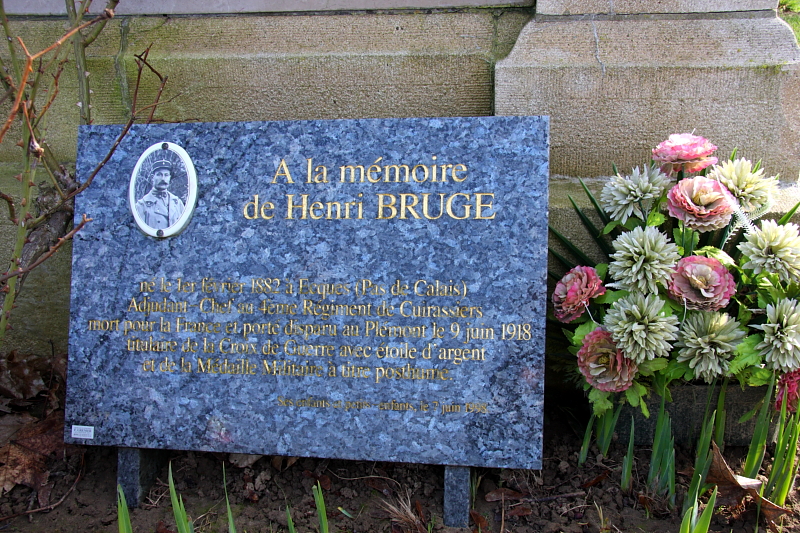
"To the memory of Henri Bruge. Born the 1st of February 1882 at Ergues in the Pas de Calais, Adjutant Chef in the 4th Regiment of Cuirassiers, died for France, reported missing in action at Plémont on 9 June1918, awarded the War Cross with silver star and the Military Medal posthumously"
.
.
.
.
.
.
.
.
At the entrance to the old stone quarries near Dreslincourt, occupied by the Germans for three years during the war. They left Gothic inscriptions carved on the outside stone walls, later shattered when they tried to blow up a nearby entrance to the quarry. The words carved here were part of a poem, saying :
.
"The world might be torn apart
Every oath like straw
I know a word like iron
It's called soldiers loyalty"
.
In German "soldiers loyalty" was one word :
Soldatentreu
.
.
.
.
.
.
.
.
Another German sign carved above an entrance to the stone quarries, a labyrinthine series of tunnels that go on for kilometers underground... it would be very easy to get lost in there. I was lucky to have a good guide who knew the place well.
.
.
.
.
.
.
.
.
Graffiti from the war years... they didn't have spray paint cans back then, so they carved instead.
.
.
.
.
.
.
.
In the woods outside unexploded artillery shells can still be found lying about. Chilling reminders of the not so distant past here.
.
.
.
.
.
.
.
.
An imperial eagle carved on an exterior quarry wall.
.
.
.
.
.
.
.
.
.
More German, to the effect that the German soldiers feared only God.
.
.
.
.
.
.
.
.
Inside the miles of tunnels there were signposts, here indicating the way to the Command Post Calypso.
.
.
.
.
.
.
.
.
Boots from the war still remain undisturbed deep in the tunnels.
.
.
.
.
.
.
.
.
A wonderful French rooster carved on a wall to honor the 324th Infantry Regiment.
.
.
.
.
.
.
.
.
Near one of the entrances to the quarry tunnels.
.
.
.
.
.
.
.
.
German barbed wire from the war, rusting but still ready to unroll and use apparently. Maybe a bit fragile now, but still looking nasty.
.
.
.
.
.
.
.
.
More artillery shells found in farm fields nearby, waiting to be collected by the munitions disposal service which still remains busy nearly 100 years later.
.
.
.
.
.
.
.
.
.
.




 Posts
Posts